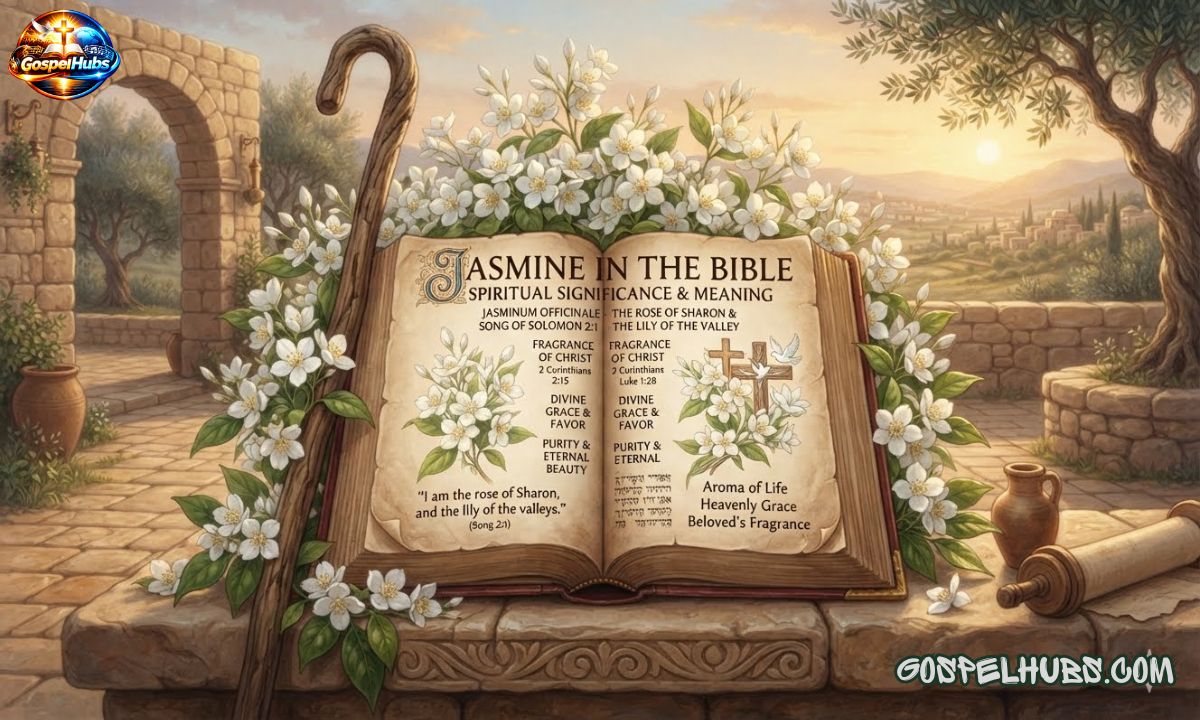
Jasmine is a beautiful name. But does it appear in the Bible? Many people search for the jasmine meaning in the Bible after hearing the name or spotting the flower in a dream. The truth is simple. Jasmine is not named in any original Bible text. Yet its meaning still connects to faith in a real way.
The name Jasmine comes from Persian roots. It means “gift from God.” That single meaning gives it deep spiritual value, even without a direct Bible verse. This guide explains the biblical meaning of Jasmine, its Hebrew connection, and what it may mean when jasmine appears in your life or dreams.
Meaning of jasmine in the Bible in Hebrew
The word “jasmine” does not appear in the original Hebrew Scriptures. Biblical Hebrew names other fragrant plants instead, such as myrtle, lily, and spikenard. The name “Yasmin” itself comes from Persian, not Hebrew.
It later entered Arabic and Hebrew-speaking cultures as a name meaning “gift from God” or “fragrant flower.” So while jasmine has no direct textual mention, its name carries a meaning that fits naturally with biblical values of blessing and grace.
Biblical Meaning of Jasmine
Jasmine’s biblical meaning is symbolic rather than literal. Scripture never names the flower, but it repeatedly uses fragrance and flowers to describe holiness, prayer, and divine love. Because of this, many believers connect jasmine’s qualities to biblical themes even though the word itself is absent from the text.
Key Biblical Associations of Jasmine
- Fragrance as an offering to God
- Purity and gentleness, like the lily in Song of Solomon
- Fleeting beauty, similar to Isaiah’s imagery of flowers that fade
- Grace and gift, drawn from the name’s Persian meaning
The Name Itself Is a Clue
The name Yasmin translates to “gift from God” in Persian. That single meaning is why so many Christian parents feel drawn to it. This connects naturally to James 1:17, which says every good gift comes from above. Jasmine, by name alone, echoes that idea of blessing.
Fragrance as Prayer
In biblical times, sweet fragrance often symbolized prayer rising to heaven. Incense and anointing oils were part of worship and sacrifice. Jasmine’s strong, sweet scent fits this picture well. Many readers see it as a modern symbol of prayers lifted up to God.
Spiritual Significance and Symbolism

Beyond scripture, jasmine holds a wider spiritual symbolism across cultures and Christian tradition. It’s often seen as a quiet reminder of faith, humility, and God’s presence in small things.
Core Spiritual Symbols of Jasmine
| Symbol | Meaning |
| White petals | Purity and innocence |
| Night-blooming scent | Hope in dark seasons |
| Delicate structure | Humility and gentleness |
| Lasting fragrance | A faith that leaves an impression |
Jasmine Across Christian Tradition
Jasmine appears occasionally in Christian art and hymns as a symbol of purity and grace. It’s not a formal church symbol like the lily or the rose, but it carries similar meaning.
Some churches use jasmine in decorations tied to weddings or baptisms. The flower’s association with new beginnings makes it a fitting choice.
Spiritual meaning of the name Jasmine
People named Jasmine are often described as gentle, warm, and naturally drawn to beauty and kindness. The spiritual meaning behind the name leans on its Persian roots as a “gift from God.”
Many parents choose the name hoping it reflects grace, humility, and inner beauty in their child. Even without a biblical verse behind it, the meaning aligns closely with Christian values.
Biblical Interpretations in Dreams or Real Life
Dreams involving flowers are common, and jasmine dreams often carry a peaceful, hopeful tone. Christian dream interpretation usually leans on symbolism rather than direct scripture.
Dreaming of Jasmine — Spiritual Meaning
Seeing jasmine in a dream is often linked to peace, renewal, or an answered prayer. Some interpret it as a gentle nudge from God during a season of change. A jasmine dream may also point to healing after a difficult time. The fragrance in dreams is sometimes read as comfort arriving quietly.
The Jasmine Dream Interpretation in Christianity
In Christian dream symbolism, flowers often represent God’s timing and grace. Jasmine, with its delicate bloom, may suggest that something beautiful is unfolding slowly, in God’s own time. This interpretation isn’t doctrine. It’s a spiritual reflection many believers find comforting rather than a rule found in scripture.
Jasmine meaning flower
As a flower, jasmine has long symbolized love, purity, and sweetness across many cultures, not only Christian ones. Its small white blossoms and strong scent have made it a favorite in gardens, perfumes, and ceremonies for centuries.
Jasmine flower meaning in love
Jasmine is closely tied to romantic love and devotion in several traditions. Its sweet fragrance is often associated with attraction, loyalty, and lasting affection between partners. In a spiritual sense, this romantic symbolism can also reflect covenant love, the kind of steady, faithful love scripture often describes between God and His people.
Practical Lessons & Faith Insights

Even without a direct Bible verse, jasmine offers real lessons for faith and daily life. Its quiet growth and lasting fragrance make it a helpful picture for spiritual patience.
5 Faith Lessons from Jasmine
- Beauty often grows quietly, without announcement.
- A gentle presence can still leave a lasting impact.
- Fragrance travels beyond what the eye can see, like prayer.
- Small blessings deserve gratitude, not just big ones.
- Growth takes time, and that’s alright.
Jasmine as a Symbol of Spiritual Awakening
Some believers see jasmine, especially night-blooming varieties, as a symbol of hope breaking through darkness. Its scent becomes strongest at night, which many read as a picture of faith rising during hard seasons. This isn’t a biblical doctrine, but it’s a meaningful metaphor. Light and hope arriving in darkness is a theme scripture returns to often.
What Does Seeing Jasmine Mean Spiritually?
Noticing jasmine unexpectedly, whether in a garden, a gift, or a dream, is often read as a small spiritual encouragement. It’s not a formal sign in the way biblical prophecy works, but many people find comfort in the symbolism.
When You See Jasmine, It May Be God Saying:
- “Rest, beauty takes time.”
- “Your prayers are noticed.”
- “A gentle season is coming.”
- “Stay humble in your growth.”
Signs from God Through Jasmine: A Quick Reference
| Situation | Possible Spiritual Message |
| Seeing jasmine unexpectedly | A gentle reminder of God’s presence |
| Receiving jasmine as a gift | A season of blessing or renewal |
| Dreaming of jasmine | Peace after a difficult time |
| Smelling jasmine in prayer | Comfort or answered prayer |
Conclusion
Jasmine may not appear by name in the Bible, but its meaning still resonates with biblical values of purity, gratitude, and grace. Whether you’re drawn to the name, the flower, or its symbolism in dreams, jasmine offers a gentle reminder that faith often grows quietly.
If this guide helped you understand jasmine’s spiritual meaning, consider exploring other biblical flower symbols like the lily, rose, or myrtle for a fuller picture of scripture’s use of nature.
Frequently Asked Questions
Is jasmine mentioned anywhere in the Bible?
No. Jasmine is not named in any original Hebrew, Greek, or Aramaic biblical text.
What does the name Jasmine mean spiritually?
It means “gift from God” in Persian, reflecting grace, beauty, and blessing.
Is Jasmine a good Christian name even without a biblical reference?
Yes. Many names carry spiritual meaning through symbolism rather than direct scripture mention.
What does dreaming about jasmine mean in Christianity?
It’s often seen as a symbol of peace, hope, or comfort during a season of change.
Does jasmine symbolize love in the Bible?
Not directly, but jasmine’s fragrance and beauty are often linked to love themes found throughout scripture.
Why is jasmine linked to prayer?
Because fragrance in the Bible often symbolizes prayers rising to God, and jasmine’s strong scent fits that picture well.

David is the founder of gospelhubs.com, a site dedicated to Bible Verses and Prayers clever wordplay. He loves turning language into laughter and making words wonderfully witty.